Learn

Welcome to NeoTires – Your Go-To Tire Knowledge Hub!

Here, we’re all about keeping you informed, empowered, and ready to roll. Whether you’re a regular driver, an off-road adventurer, or just curious about what keeps your vehicle running smoothly, this is the right place for you. Expert Insights, Tire Tech Explained, Buying Guides, and Safety Tips whenever you're on the roads—all articles are here to help you make informed decisions whether you’re shopping for new tires or maintaining your current set. Buckle up and explore the blog—you’re in for an educational and engaging ride!

Expert Insights

Get professional advice on choosing, maintaining, and replacing tires tailored to your driving style and needs

Tire Tech Explained

Learn about the latest news and upgrades in tire technology and how they can improve your ride

Buying Guides

Navigate the world of tire shopping with ease, thanks to our comprehensive reviews and comparisons

Safety First

Stay safe on the road with articles covering traction, seasonal driving tips, and emergency preparedness
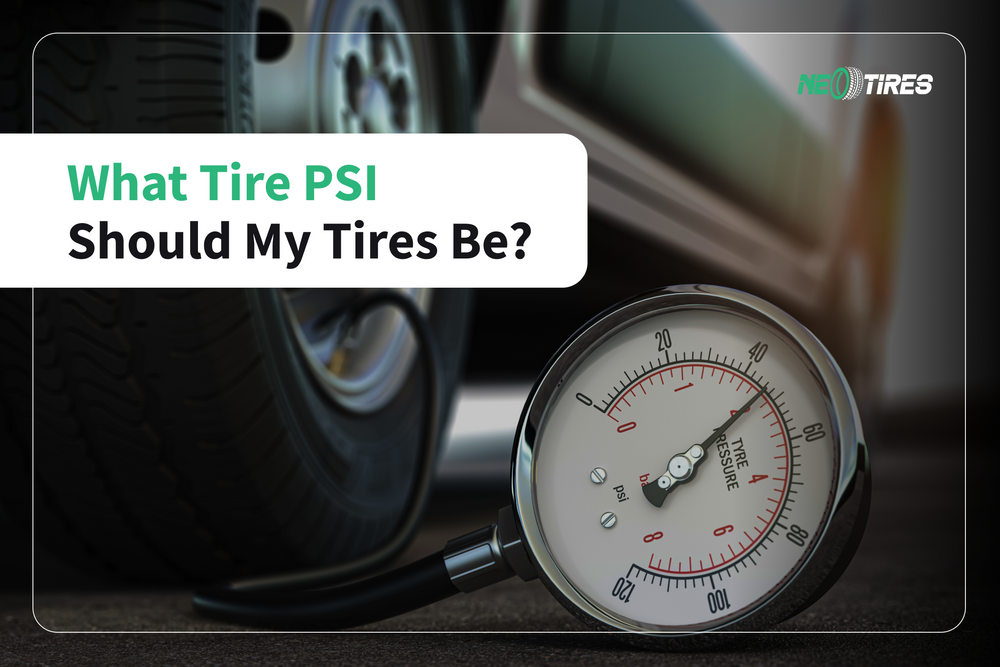
 

What Tire PSI Should My Tires Be?
Tire PSI stands for Pounds per Square Inch and is crucial to vehicle performance and safety. Every vehicle has a manufacturer-recommended tire PSI that ensures handling, even wear, and fuel efficiency. According to NHTSA, tires with lower PSI or underinflated tires contribute to over 11,000 tire-related crashes yearly on U.S. roads. In this section, we will explore the proper tire pressure for each type of vehicle...
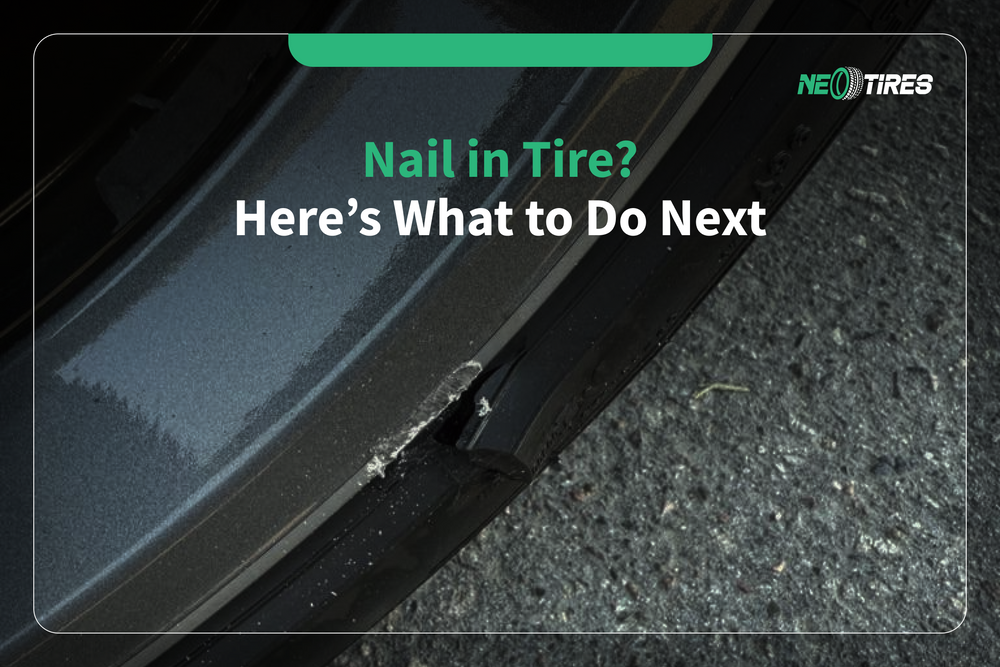
Nail in Tire? Here’s What to Do Next (Fix or Replace Guide)
A nail in the tire can happen to anyone and anywhere, and is one of the most common causes of a flat. While repairing a tire with a nail or screw is possible, sometimes tire replacement is a safer solution. This section is about what you can do when you find a nail or screw in one of your tires and how much it costs to patch it, if a repair is possible.
Best Truck Tires for Snow: Stay Safe On The Winter Roads Ahead
The best truck tires for winter, when deep snow and ice present a challenge, are winter-specific tires that feature the 3-Peak Mountain Snowflake (3PMSF) symbol, indicating that the tires are designed to deliver maximum grip on snowy and icy surfaces. 3PMSF-rated truck tires feature optimized tread patterns and special rubber that resists freezing temperatures.
How to Buy Tires by Climate: 101 Complete Guide
The climate in which you typically drive is one of the main factors that influence tire performance. Diverse climate conditions, such as dry or wet, hot or cold, impact tire longevity, braking distance, handling, and grip on various road surfaces. The rubber formula in different types of tires, such as summer, all-season, or winter tires, responds differently to temperature changes.
Premium vs Budget Tires: What Drivers Need to Know Before Buying
When it’s time to replace tires, most drivers face the same question: should I invest in premium tires from Michelin, Bridgestone, or Continental - or save money with budget alternatives, such as Accelera, Aturo, or Kenda? The difference isn’t only the sticker price. This article breaks down the facts for U.S. drivers using manufacturer specs and independent U.S. test data so you can make a confident, evidence-based choice.
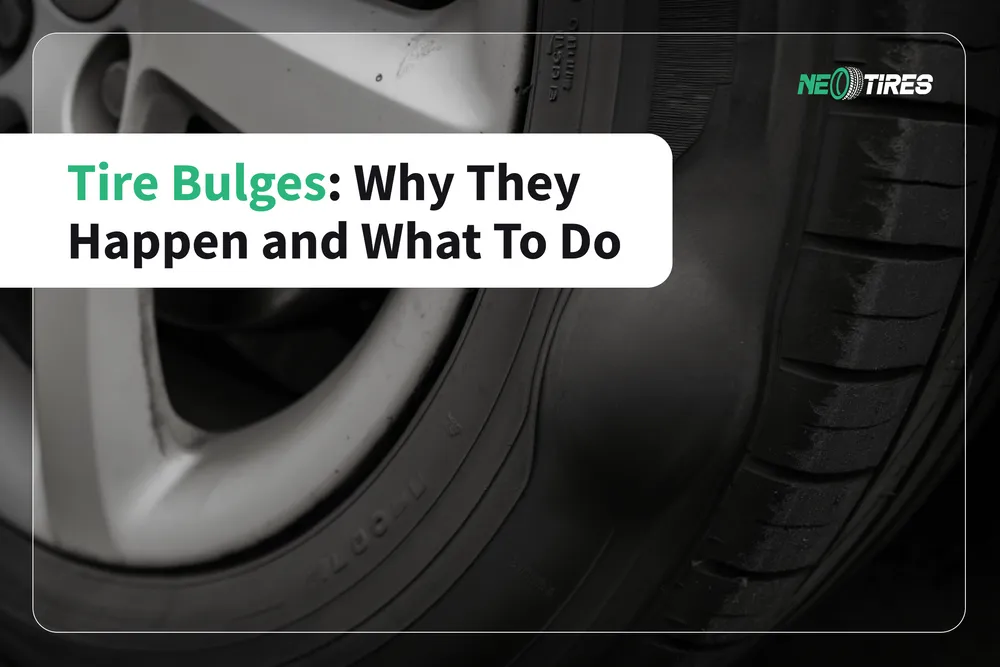
Tire Bulge or Bubble: Why It Happens and What to Do
A tire bulge, also known as a bubble or sidewall separation, is a bump on the tire’s sidewall, and sometimes on the tread, that indicates where the internal materials - fabric, steel cords, inner liner, and plies - have been disrupted or separated. Indentations are cosmetic, while bulges are dangerous. Bulges from impacts may show up immediately or after some time. This article explains what the causes of tire bulges are, how dangerous they are, what you can do to prevent them, and how to address the issue once a tire bulge occurs.
225/65R17 Tire Size Guide: Specs, Comparisons & Best AS Tires
The 225/65R17 tire is one of the most popular fitments for today’s SUVs, crossovers, and light-duty trucks. 225/65R17 tires often represent a balance between comfort, durability, and year-round traction - qualities that make this size a preferred choice for both daily drivers and off-highway and overland vehicles. In this article, we’ll explain what this tire size means, compare it to similar ones (like 235/65R17 and 225/60R17), and highlight the most highly rated 225/65R17 all-season tires on NeoTires.
How to Change a Tire Yourself: Flat Tires, Spares & Seasonal Changes
Changing a tire isn’t only about handling a flat on the highway; drivers also change tires for wear, seasonal swaps, or rotations. In this article, you’ll learn how to handle all those scenarios, plus a focused section on changing a flat tire on a car safely on the roadside, the tools you need, and the checks you should follow after the process. By the end, you’ll feel confident tackling a tire change, wherever you are, and know when it's wiser to call a pro.
What Are Run-Flat Tires? RFT Meaning and How They Work
Run-flat tires for passenger cars, SUVs, and light trucks are designed to keep your vehicle moving even after a puncture, typically for up to 50 miles at speeds up to 50 mph. Understanding how run-flat tires work begins with their structural design: Instead of going completely flat when air escapes, run-flat tires maintain enough structural integrity to support the vehicle’s weight temporarily. This technology gives drivers time to reach a repair shop safely, without pulling over on the roadside immediately to replace the flat tire.
Tire Tread Patterns: Complete Guide 2025 | Function, Types, Benefits & What to Choose
Tire tread designs are vital for safety, performance, and efficiency. Whether on wet highways or snowy backroads, the interaction between a tire and the road surface affects grip, stopping distance, handling, and even fuel consumption. In this guide, we outline the primary tread patterns and discuss how they influence traction, noise levels, and fuel efficiency. We also offer practical advice on selecting the appropriate tire for your vehicle and driving environment.

Need live support?

  • Mon - Fri: 8am - 7pm ET
  • Sat: 9am - 5pm ET
  • Sun: Closed