


Choosing the right tires is the first step to your driving safety. This section encompasses practical and expert advice to keep you and your passengers safe on the road. Discover how to maintain proper tire inflation, how to spot signs of tire wear and tear, and handle critical situations like blowouts. With this guide, your driving experience will be protected and covered with confidence regardless of the conditions.
Published on: Tuesday, October 15, 2024 Last updated on: Monday, January 26, 2026
Tire rotation is an imperative tire maintenance procedure that involves changing the tires' position on the vehicle's axles. This systematic procedure is necessary to even out tire wear, increase tire longevity, and enhance vehicle performance in terms of handling, fuel efficiency, and safety. According to Michelin, tire rotation should be done every 6,000-8,000 miles...
Published on: Thursday, October 31, 2024 Last updated on: Monday, January 26, 2026
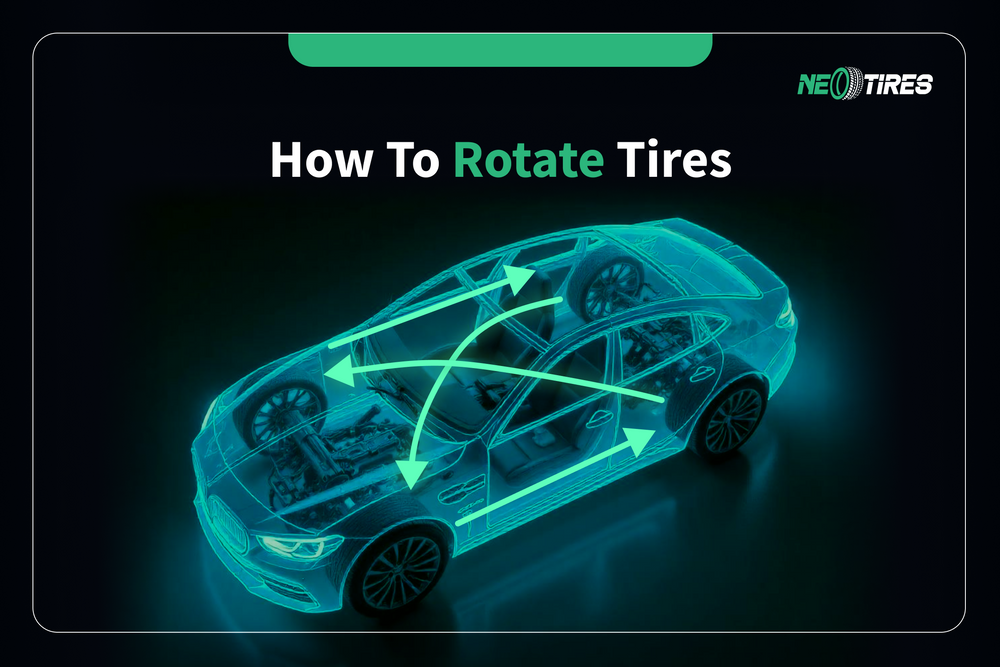
Tire rotation is when all tires change their position between vehicle axles to extend their service life. Different types of vehicles (FWD, RWD, AWD, 4WD) have different tire rotation patterns (Forward cross, X-pattern, Rearward cross). The standard patterns include Forward cross-rotation, Rearward cross rotation, and X Rotation Pattern. Tire rotation is different from standard patterns when...
Published on: Friday, November 1, 2024 Last updated on: Monday, January 26, 2026
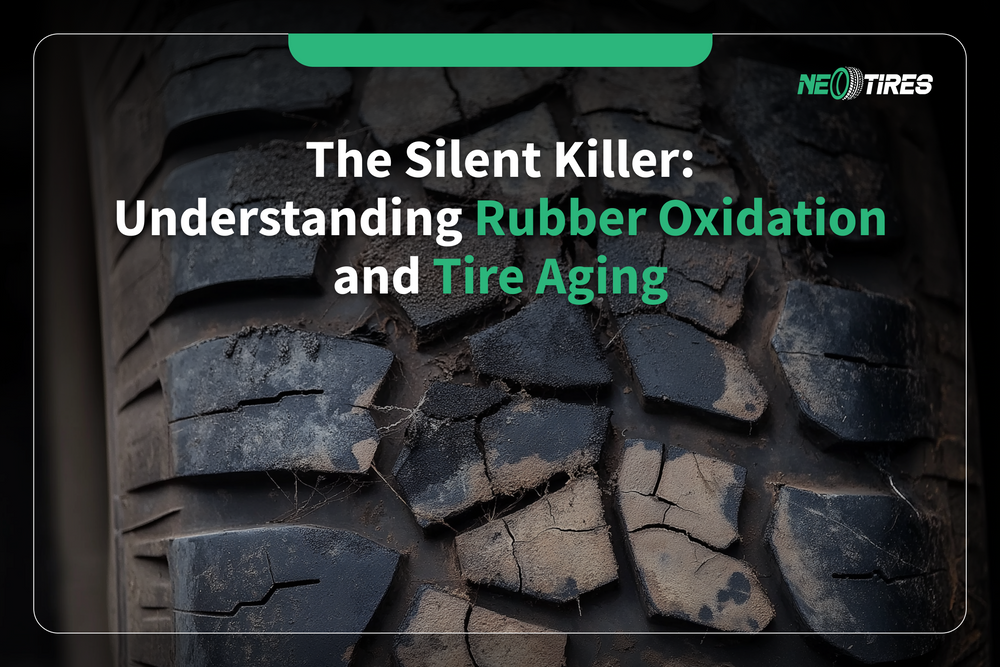
For car enthusiasts and everyday drivers alike, understanding the lifespan of your tires goes beyond just checking the tread depth. There's a silent threat that can dramatically impact tire performance and safety: rubber oxidation. Research, spearheaded by entities such as NHTSA and Ford Motor Company...
Published on: Thursday, November 14, 2024 Last updated on: Monday, January 26, 2026
Tire rotation is the process of changing the position of the vehicle's tires at regular time intervals of 6,000-8,000 miles (9,656-12,875 km) or every 6 months. Regular tire rotation helps maximize tire life and ensure tread even wear. The rotation frequency varies depending on the type of vehicle (FWD/RWD/AWD/4WD), the type of tires, driving habits, and conditions...
Published on: Tuesday, January 7, 2025 Last updated on: Monday, January 26, 2026
Understanding wheel specifics is crucial when replacing damaged rims, switching to off-road options, or upgrading to aftermarket wheels. This guide focuses on wheel bolt pattern which is essential in ensuring wheel compatibility with the vehicle. Here, you are about to explore the specifics, complexities, and measuring techniques of wheel bolt patterns, helping you find answers to the most common wheel-related concerns.
Published on: Monday, January 20, 2025 Last updated on: Monday, January 26, 2026
Wheel offset is an important aspect that can't be overlooked in the wheel fitment. It influences vehicle performance, handling, and safety. Understanding wheel offset is crucial whenever looking to upgrade tires or just understand how the wheels and tires work together. This section delves into all that wheel offset means including how to measure it, and why it matters for your vehicle's performance.
Published on: Monday, March 17, 2025 Last updated on: Monday, January 26, 2026
Tire tread depth is one of the most critical factors for safe driving, as it affects traction, braking, and hydroplaning resistance. Our tire tread depth chart shows safe limits, legal minimums, and replacement guidance for different driving conditions - including rain, snow, off-road, and highways. Use this guide to assess your tires’ condition quickly, make informed replacement decisions, and keep every drive safe.
Published on: Thursday, March 27, 2025 Last updated on: Monday, January 26, 2026
Tire health and durability are essential aspects of safe and performant driving. How long should tires last? - is a common concern for many drivers because everyone wants their tires to be a long-lasting investment. Tire life expectancy actually depends on a combination of factors more than the warranty the manufacturer provides...
Published on: Friday, March 28, 2025 Last updated on: Monday, January 26, 2026
Any car owner driving at least once in the rain has noticed his vehicle losing traction, making it harder to control. This phenomenon is known as hydroplaning, and it can endanger the driver's safety if he does not know how to handle it properly. Today, we will explain aquaplaning (another term for hydroplaning) and provide tips on what to do if your vehicle starts to hydroplane on wet roads. An informed driver is a protected driver, right?
Published on: Thursday, April 17, 2025 Last updated on: Tuesday, January 27, 2026
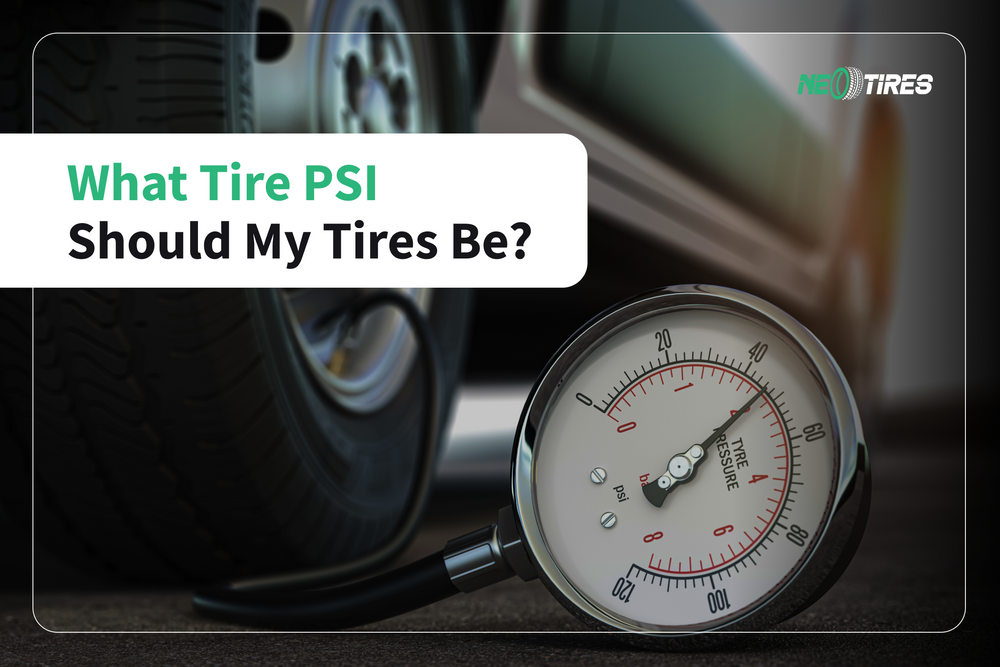
Tire PSI stands for Pounds per Square Inch and is crucial to vehicle performance and safety. Every vehicle has a manufacturer-recommended tire PSI that ensures handling, even wear, and fuel efficiency. According to NHTSA, tires with lower PSI or underinflated tires contribute to over 11,000 tire-related crashes yearly on U.S. roads. In this section, we will explore the proper tire pressure for each type of vehicle...
Need live support?
- Mon - Fri: 8am - 7pm ET
- Sat: 9am - 5pm ET
- Sun: Closed
Customer service
Special offers
Tire sizes
Vehicles
Join our mailing list
Subscribe for updates and promotions.
Wait...