


Choosing the right tires is the first step to your driving safety. This section encompasses practical and expert advice to keep you and your passengers safe on the road. Discover how to maintain proper tire inflation, how to spot signs of tire wear and tear, and handle critical situations like blowouts. With this guide, your driving experience will be protected and covered with confidence regardless of the conditions.
Published on: Friday, September 22, 2023 Last updated on: Monday, January 26, 2026
Over time, normal driving conditions can gradually knock these angles out of balance, resulting in wheel misalignment. Impacts from potholes, curbs, or rough roads, as well as worn suspension parts, can alter the wheel geometry. When that happens, you may start noticing symptoms of bad alignment, such as your car pulling to one side, a crooked steering wheel, or uneven tire wear. In this guide, we’ll explain the main causes and symptoms of wheel misalignment, explore how it affects tire performance and handling, and clarify essential alignment angles.
Published on: Saturday, September 23, 2023 Last updated on: Monday, January 26, 2026
It is important to inspect tires regularly to ensure their proper performance. Some damages can be "silent". That is, they can affect your tire condition without giving too much notice. Regular inspection, respectively, helps you prevent severe tire damage, as well as avoid potential punctures, or even worse...
Published on: Monday, September 25, 2023 Last updated on: Monday, January 26, 2026
Tires are the vehicle's only contact with the road, making them crucial for driving safety. The tire tread, through its design and condition, contributes to grip, braking distance, and vehicle stability in emergency maneuvers. If the tread is in poor condition (worn out, bald, damaged), driving becomes risky. This article focuses on bald tires and the risks associated with driving on them.
Published on: Monday, September 25, 2023 Last updated on: Monday, January 26, 2026
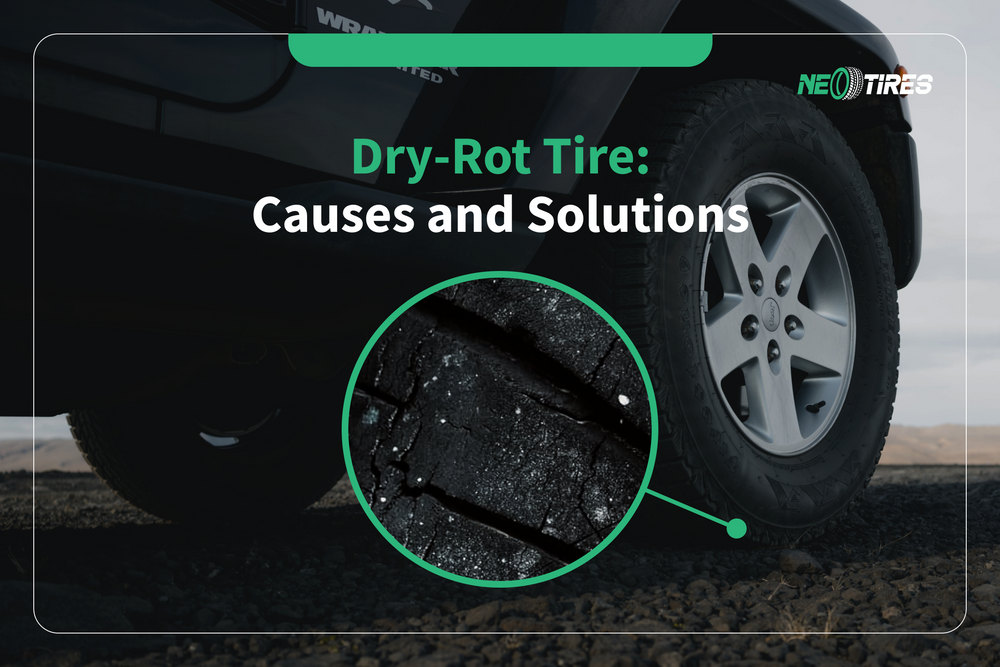
Tire dry rot is the deterioration of the rubber in a tire that occurs due to external factors, including exposure to sunlight, extreme weather conditions, and aging. Dry rot manifests through cracks in rubber, brittleness, and overall weakening, posing a safety hazard due to the risk of tire failure and blowouts. NHTSA recommends tire replacement when symptoms of dry rot, such as brittle sidewalls and hard texture, appear.
Published on: Monday, September 25, 2023 Last updated on: Monday, January 26, 2026
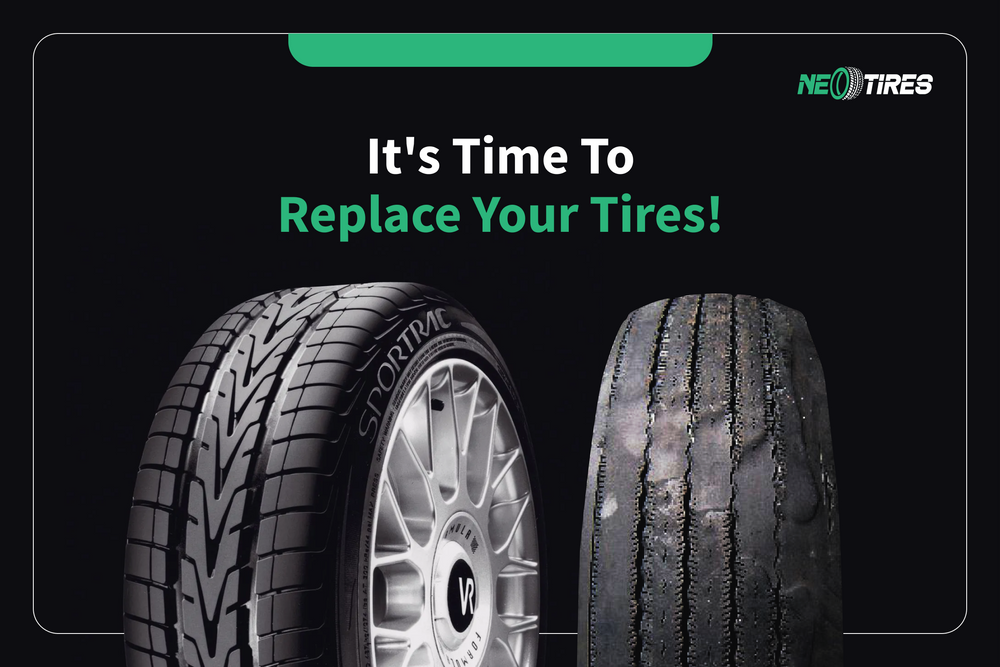
Tires are subject to constant stress on every road trip, sharp corner, or aggressive braking. They wear out, and sooner or later, you need to replace tires. Understanding when to change your tires is not just about how much mileage you've put on them. It's about reading their symptoms and taking actions for safety and performance on any road you tackle. Many drivers are guided by tire validity period. And this is right, but only to a certain extent...
Published on: Monday, September 25, 2023 Last updated on: Monday, January 26, 2026
A flat tire is one of the most common dangers that can befall a driver. Spare tires can save the day after a severe puncture, ensuring that you reach your destination safely. Spare tire use has limitations, however, which all drivers should be aware of. In this article, we will talk about the distance limit that you can safely drive on a spare and what types of spares exist.
Published on: Thursday, September 28, 2023 Last updated on: Wednesday, March 11, 2026
Run-flat tires are tires that use reinforced sidewalls that support your vehicle's weight even with zero air pressure, allowing you to keep driving after a puncture for 50 miles more. While run flats can keep you driving to a safe location instead of stopping immediately on the side of the road on a flat tire, they come with both advantages and disadvantages related to ride comfort, cost, and long-term value that you should know about.
Published on: Thursday, September 28, 2023 Last updated on: Wednesday, March 11, 2026
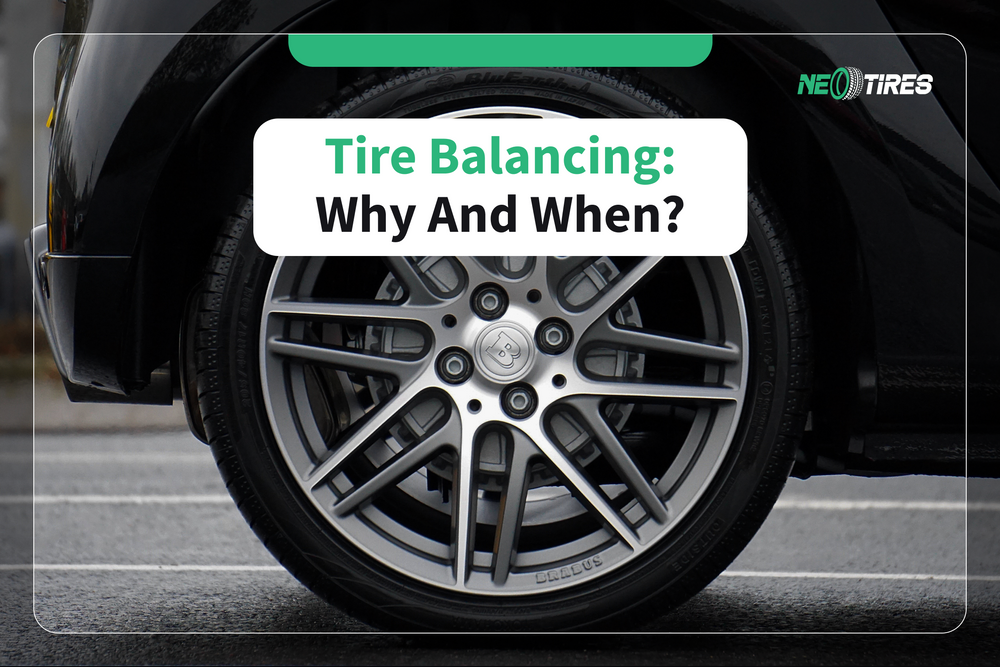
If you drive a car in the U.S., you’ve probably heard the term tire or wheel balancing tossed around at tire shops. Some drivers think it’s optional. Others confuse it with wheel alignment. But proper balancing is one of the simplest services that directly improves tire life, vehicle comfort, and highway safety. Here you have a clear, expert-backed guide to what wheel balancing actually means, why it matters, and when your car needs it.
Published on: Saturday, November 25, 2023 Last updated on: Monday, January 26, 2026
The Three-Peak Mountain Snowflake and M+S tire markings refer to weather conditions in which the tires feel like fish in water. While the UTQG rating explains a tire's traction, temperature, and service life, the Snowflake and M+S markings are about weather versatility.
Published on: Tuesday, October 10, 2023 Last updated on: Monday, January 26, 2026
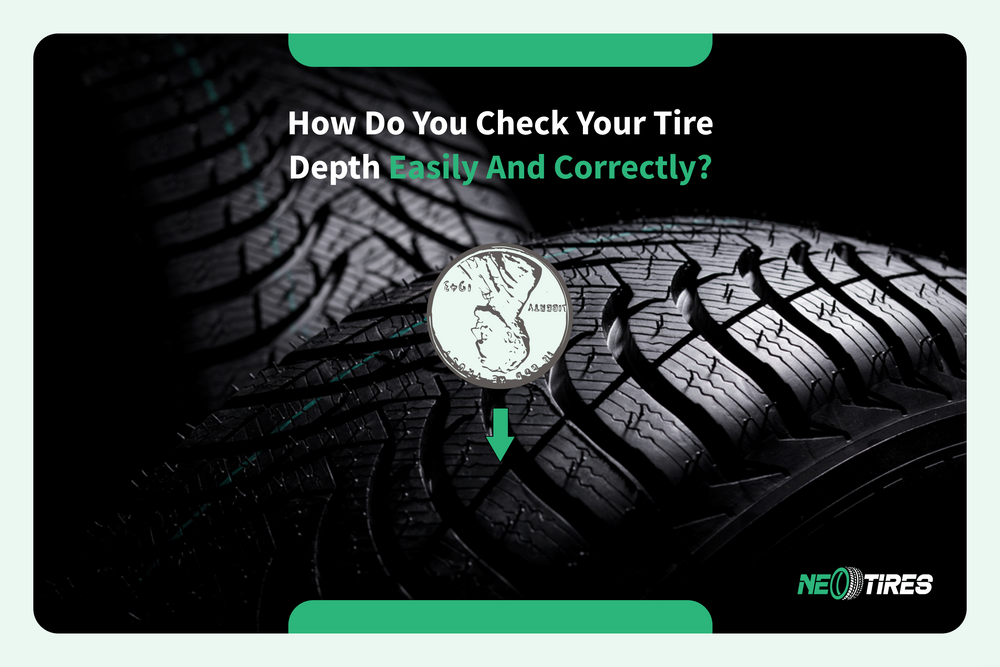
Tire tread depth tells you how much usable rubber is left between your vehicle and the road. Checking it takes less than a minute by using the penny test, quarter test, a tread depth gauge, or the built-in wear bars to measure your tires and know immediately whether they're safe, borderline, or dangerously worn. This step-by-step guide breaks down how to measure your tire tread depth correctly, using methods that any driver can apply.
Need live support?
- Mon - Fri: 8am - 7pm ET
- Sat: 9am - 5pm ET
- Sun: Closed
Customer service
Special offers
Tire sizes
Vehicles
Join our mailing list
Subscribe for updates and promotions.
Wait...