Learn

Welcome to NeoTires – Your Go-To Tire & Wheel Knowledge Hub!

This section covers tire and wheel selection, fitment basics, and maintenance. Topics include tire sizing, seasonal use, performance differences, and wheel specifications such as diameter, bolt pattern, and offset. The content is designed to help you understand compatibility, compare options, and make informed decisions before purchasing or replacing tires and wheels.

Expert Insights

Get professional advice on choosing, maintaining, and replacing tires tailored to your driving style and needs

Tire Tech Explained

Learn about the latest news and upgrades in tire technology and how they can improve your ride

Buying Guides

Navigate the world of tire shopping with ease, thanks to our comprehensive reviews and comparisons

Safety First

Stay safe on the road with articles covering traction, seasonal driving tips, and emergency preparedness
 

Most Fuel-Efficient Cars, SUVs, Trucks & Tires
Fuel efficiency is one of the most important criteria for a driver when buying a vehicle. Thanks to the many technologies manufacturers are developing, finding cars with the best gas mileage is easier than ever. There are also various ways to optimize fuel efficiency in any vehicle. This article concerns fuel-efficient cars, SUVs, or trucks with the best gas mileage and techniques for reducing fuel burning.
Wheel Misalignment 101 Explained: Causes, Consequences, and Solutions
Over time, normal driving conditions can gradually knock these angles out of balance, resulting in wheel misalignment. Impacts from potholes, curbs, or rough roads, as well as worn suspension parts, can alter the wheel geometry. When that happens, you may start noticing symptoms of bad alignment, such as your car pulling to one side, a crooked steering wheel, or uneven tire wear. In this guide, we’ll explain the main causes and symptoms of wheel misalignment, explore how it affects tire performance and handling, and clarify essential alignment angles.
All-Terrain Tires You Shouldn't Be Missing
Looking for top-rated all-terrain tires that blend optimal performance on and off-road? You need to know a few things before choosing the right all-terrain tires. This article will reveal the best options available for different vehicles, including trucks. We will also provide the best tire recommendations for various sizes, including 265/70r17 and 275/60r20.
Quick Guide On Tire Types
Choosing the right tires for your car can be a challenging process. That is because you need to decide on the tire type, apart from its size, diameter, and tread pattern, which will determine your further performance. This guide walks you through various types of tires, enabling you to make an informed choice for your specific needs. From seasonal options to products for aggressive terrain, you will get a better understanding of what exactly your best match is.
Tire Dry Rot Risks And How To Prevent Them
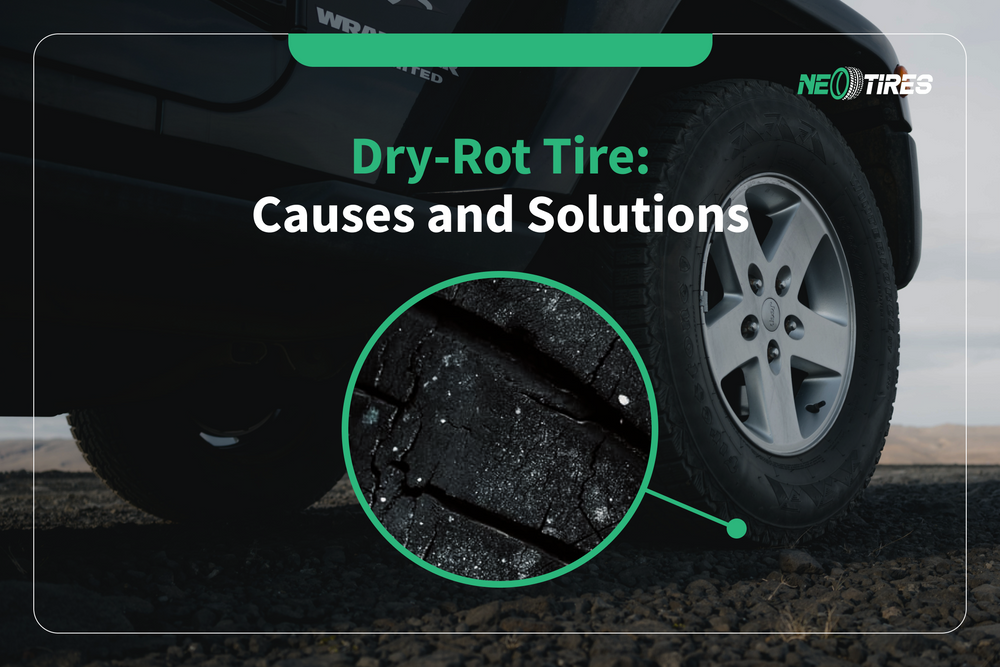
Tire dry rot is the deterioration of the rubber in a tire that occurs due to external factors, including exposure to sunlight, extreme weather conditions, and aging. Dry rot manifests through cracks in rubber, brittleness, and overall weakening, posing a safety hazard due to the risk of tire failure and blowouts. NHTSA recommends tire replacement when symptoms of dry rot, such as brittle sidewalls and hard texture, appear.
When to Replace Tires: Know the Signs, Time & Mileage
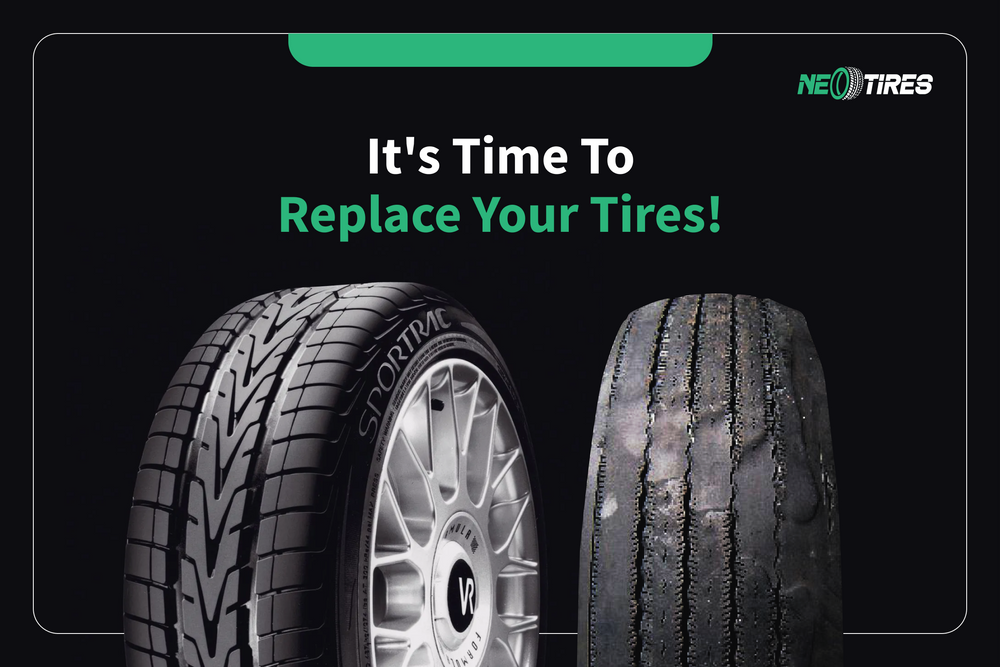
Tires are subject to constant stress on every road trip, sharp corner, or aggressive braking. They wear out, and sooner or later, you need to replace tires. Understanding when to change your tires is not just about how much mileage you've put on them. It's about reading their symptoms and taking actions for safety and performance on any road you tackle. Many drivers are guided by tire validity period. And this is right, but only to a certain extent...
How Long Can You Drive on A Spare Tire?
A flat tire is one of the most common dangers that can befall a driver. Spare tires can save the day after a severe puncture, ensuring that you reach your destination safely. Spare tire use has limitations, however, which all drivers should be aware of. In this article, we will talk about the distance limit that you can safely drive on a spare and what types of spares exist.
Understanding Tire Load And Speed Ratings
The tire load index indicates the maximum weight a tire can bear with proper inflation (as recommended by the manufacturer). Tire speed rating indicates the fastest speed the tire can reach before its performance is affected by driving forces (temperature, friction, rolling resistance).
Run-Flat Tires Worth It? 8 Advantages vs 9 Drawbacks Explained
Run-flat tires are tires that use reinforced sidewalls that support your vehicle's weight even with zero air pressure, allowing you to keep driving after a puncture for 50 miles more. While run flats can keep you driving to a safe location instead of stopping immediately on the side of the road on a flat tire, they come with both advantages and disadvantages related to ride comfort, cost, and long-term value that you should know about.
Winter Tires VS All-Season Tires Explained
Every driver knows that there are different types of tires. Each type, be it all-season, winter, summer, or all-weather has its purpose well-defined by the manufacturers. They differ in the depth of the tread as well as in their architecture. One of the most frequent questions is whether winter tires can replace all-season ones and vice versa. In this article, we will explain step by step what is the difference between these 2 types...

Need live support?

  • Mon - Fri: 8am - 7pm ET
  • Sat: 9am - 5pm ET
  • Sun: Closed