


This section unveils all the ins and outs of run-flat tires. Discover what makes them keep rolling after a puncture and when the "run flats" are worth the investment. Also, you will learn about their benefits, limitations, and compatibility with diverse vehicles. This section will help you determine if run-flat tires suit your needs and if they do, which products are the most recommended.
Published on: Thursday, September 28, 2023 Last updated on: Monday, January 26, 2026
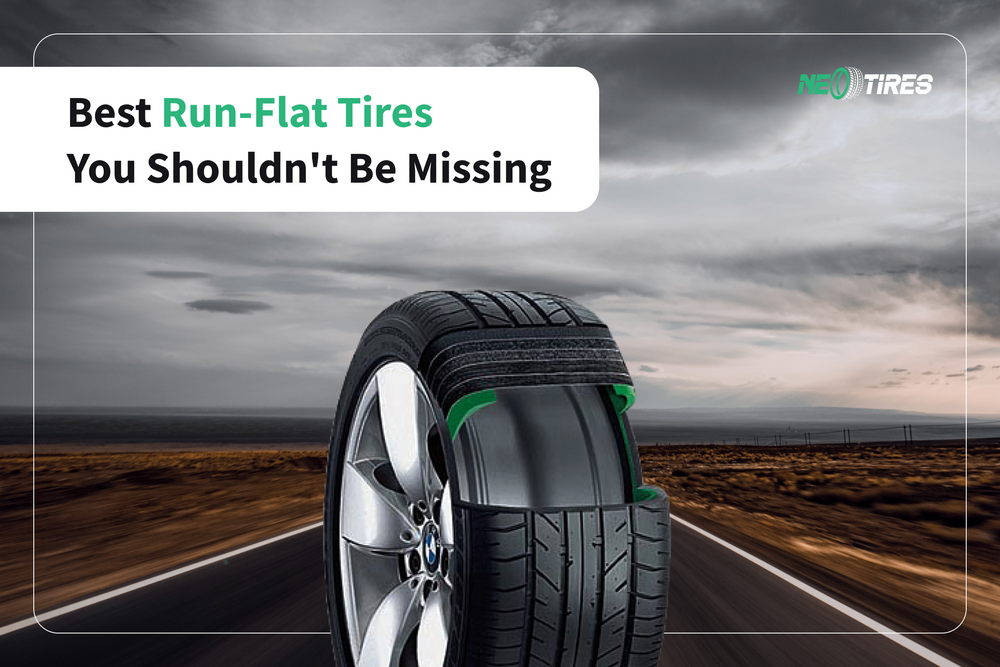
Run-flat tires are a revolutionary alternative to regular tires, allowing drivers to keep rolling even after a puncture. This article gives you a breakdown of the most popular run-flat tires in 2025. The recommendations below are based on value, durability, and performance. We've also included customer feedback and manufacturer's data so you can make informed choices.
Published on: Thursday, September 28, 2023 Last updated on: Wednesday, March 11, 2026
Run-flat tires are tires that use reinforced sidewalls that support your vehicle's weight even with zero air pressure, allowing you to keep driving after a puncture for 50 miles more. While run flats can keep you driving to a safe location instead of stopping immediately on the side of the road on a flat tire, they come with both advantages and disadvantages related to ride comfort, cost, and long-term value that you should know about.
Published on: Thursday, January 11, 2024 Last updated on: Monday, January 26, 2026

All drivers know that the BMW car brand is fully loyal to run-flat tires. This car maker has been equipping its vehicles with such tires for decades. Despite the multitude of criticisms from drivers regarding these tires, BMW continues to be faithful to this concept. It is true, though, that not all BMW vehicles leave the factory with run-flat tires. The exception is the M series vehicles which are available with conventional tires...
Published on: Monday, January 15, 2024 Last updated on: Thursday, September 24, 2026
![Can You Replace Run-Flat Tires with Regular Tires? [Mechanic-Backed Explanation]](https://media.neotires.com/blogpost/can-you-replace-run-flat-tires-with-regular-tires-mechanic-backed-explanation-27169.png?w=1000&h=1000 "Can You Replace Run-Flat Tires with Regular Tires? [Mechanic-Backed Explanation]")
You can switch from run-flat tires to standard ones if your vehicle meets the technical requirements explained in this section. The change is usually possible when your wheels are compatible with regular tire beads, your TPMS (Tire Pressure Monitoring System) operates independently of tire type, and the change doesn’t conflict with your vehicle’s recommended tire setup or warranty terms. Most vehicles built after 2007 meet these criteria, but it’s best to have a qualified technician confirm compatibility before making the change.
Published on: Tuesday, October 28, 2025 Last updated on: Thursday, September 24, 2026
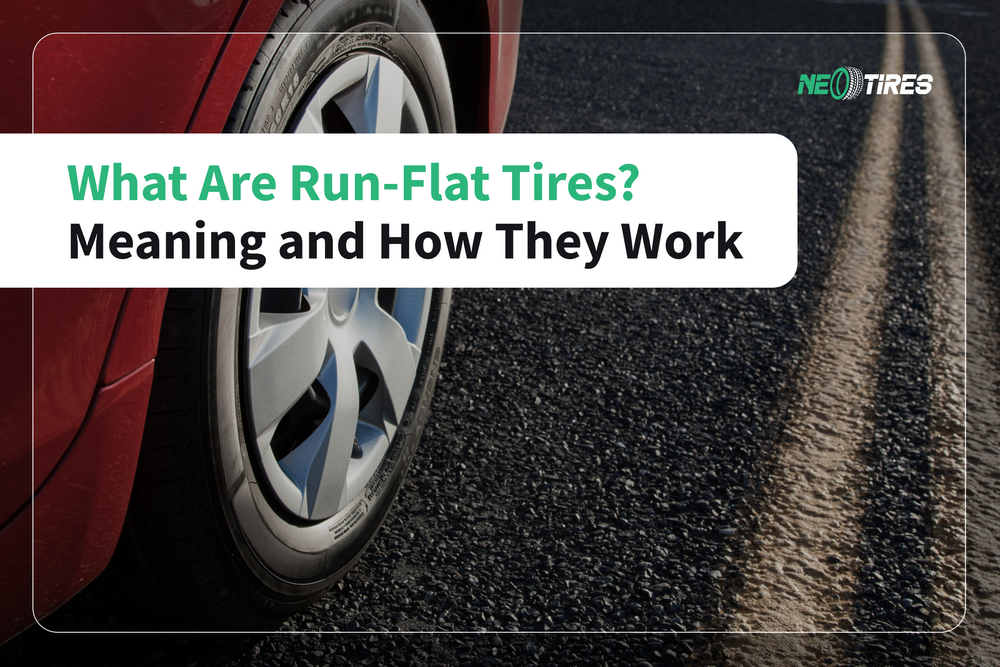
Run-flat tires for passenger cars, SUVs, and light trucks are designed to keep your vehicle moving even after a puncture, typically for up to 50 miles at speeds up to 50 mph. Understanding how run-flat tires work begins with their structural design: Instead of going completely flat when air escapes, run-flat tires maintain enough structural integrity to support the vehicle’s weight temporarily. This technology gives drivers time to reach a repair shop safely, without pulling over on the roadside immediately to replace the flat tire.
Need live support?
- Mon - Fri: 8am - 7pm ET
- Sat: 9am - 5pm ET
- Sun: Closed
Customer service
Special offers
Tire sizes
Vehicles
Join our mailing list
Subscribe for updates and promotions.
Wait...